
Paris: The 15-minute city?
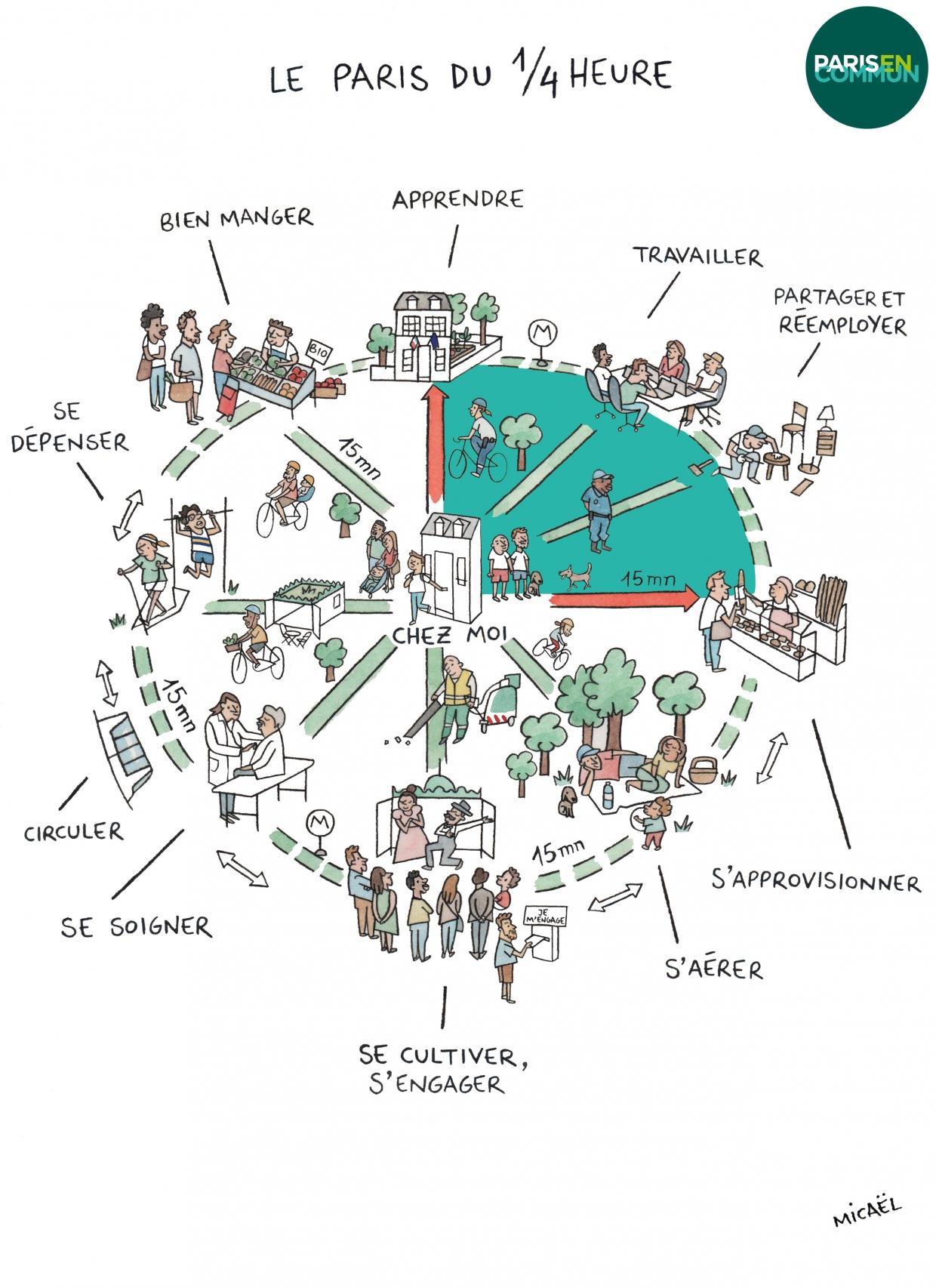
In Paris one wants to shorten long transport routes and thus be able to cover the most important routes in the big city in just 15 minutes.

ZAUGG: The Rolba rolls in summer and winter alike
Whether as a snow blower or as a mower – with its multiple uses, the Rolba 500 multipurpose vehicle offers greater efficiency for local authorities and ski resorts. The best example? The use of two ZAUGG machines by Grisons civil engineering authority in Switzerland.

Digitalisation: Are tentire countries become smart?
Much is made of smart cities but who thinks about the rural regions?
CO2 and noise: Cable cars have the best energy and eco-balance
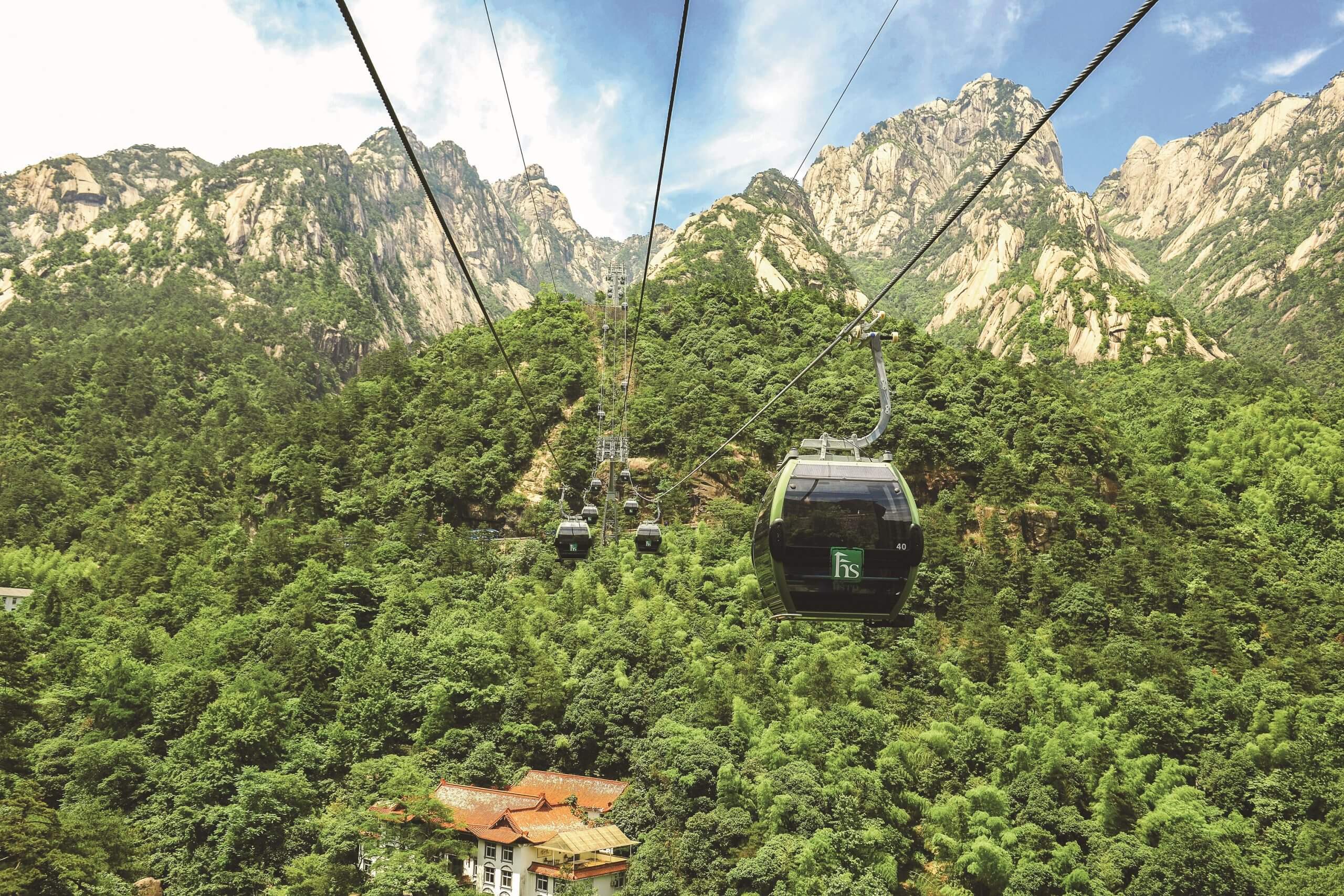
Even with a high transport capacity, urban cable cars display low energy demand. This is demonstrated in studies by German urban planner Frieder Kremer in his book “Innovation Seilbahn” (Innovation Cable Car). The following is an extract from his publication with a few editorial amendments (TU Berlin [Berlin Institute of Technology] 2015: p. 44).
The optimal: When does a cable car make sense?
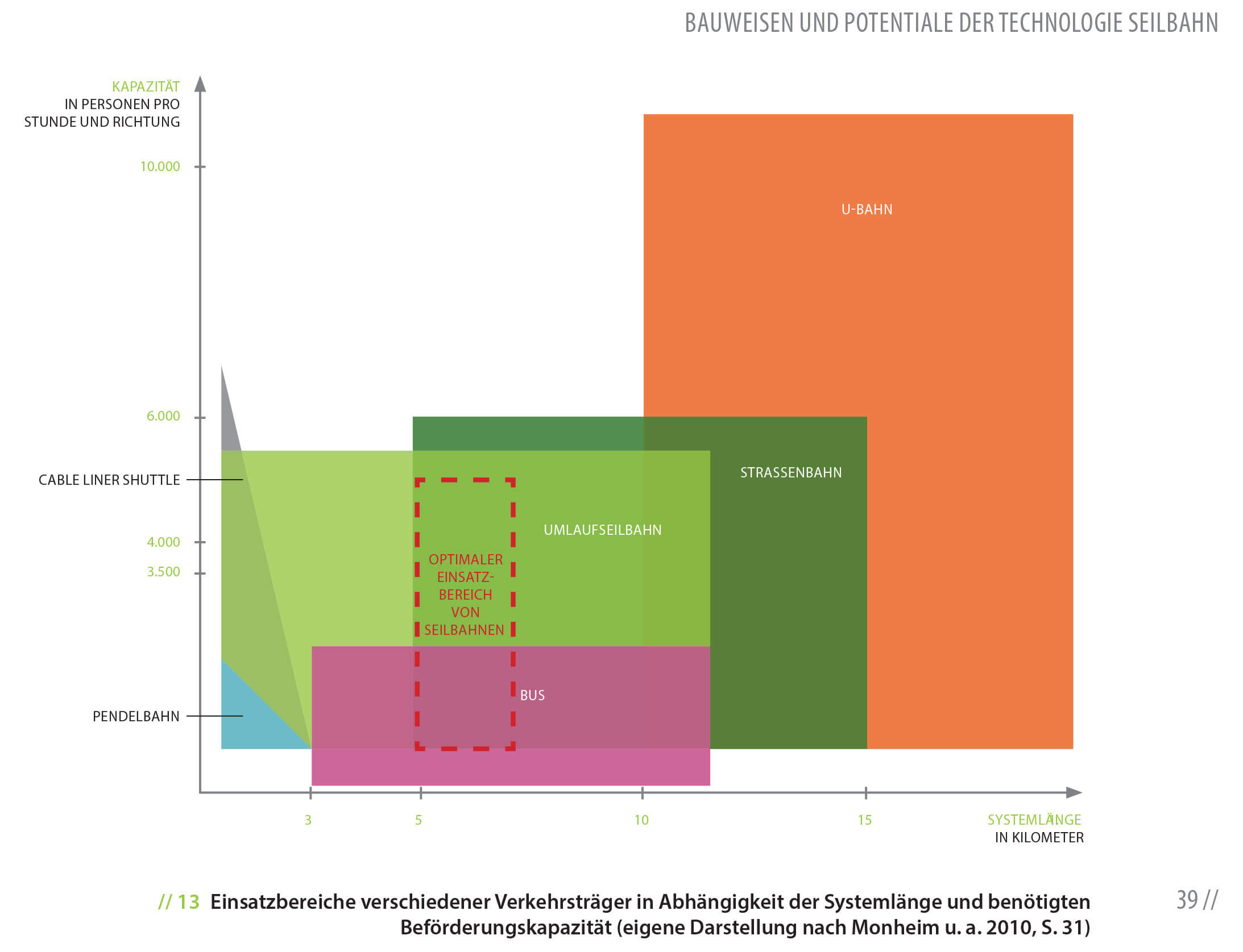
Urban cable cars are an increasingly common topic in research and science. The book “Innovation Seilbahn” (Innovation Cable Car) by Frieder Kremer is one example of this. In it, the urban and regional planner has written – among other things – about transport technology optimisation and the application possibilities of cable cars or in a nutshell: when does an urban cable car actually make sense? The following is an extract from his publication with a few editorial amendments (TU Berlin 2015: pp. 36 – 40).

Public transport: Moving more than ,,just,, people
The artist Christoph Niemann presents his theory on how to bring people from their cars to public transport.