
URBAN CABLEWAYS
Cableways and mountain railways are not only used in the winter sports industry. They’ve also become a practical means of transportation in cities, which is why we decided to launch SI Urban Magazine. Here we focus on the various topics that are relevant to the urban sector, which are sorted into the categories city, tourism and airport. Each of them will provide you with exciting news about technology, maintenance & service, security, surveillance, city and landscape planning and much more. Innovations, new types of projects and optimal solutions from all over the world should encourage reflection, help in finding ideas and reveal new opportunities.

Data are the new oil
Zeros and ones will shape our future and mean that even travel by public transport becomes an individual experience – at least, that is the plan. But how will it actually work in practice?

Guranteed to be safe
Cable cars are one of the safest modes of transport in existence. So that this safety can be guaranteed even in the rare event of a fault on the cable car, IMMOOS develops installation-specific rescue systems and concepts. However, IMMOOS is the competent professional not only for rescue systems but also for permanently mounted personal safety equipment and personal protective equipment, so that employee safety is guaranteed at all times. IMMOOS ist aber nicht nur der kompetente Profi für Bergungssysteme, sondern auch für festmontierte Personensicherungen und persönliche Schutzausrüstungen, sodass auch die Sicherheit der Mitarbeiter jederzeit gewährleistet ist.
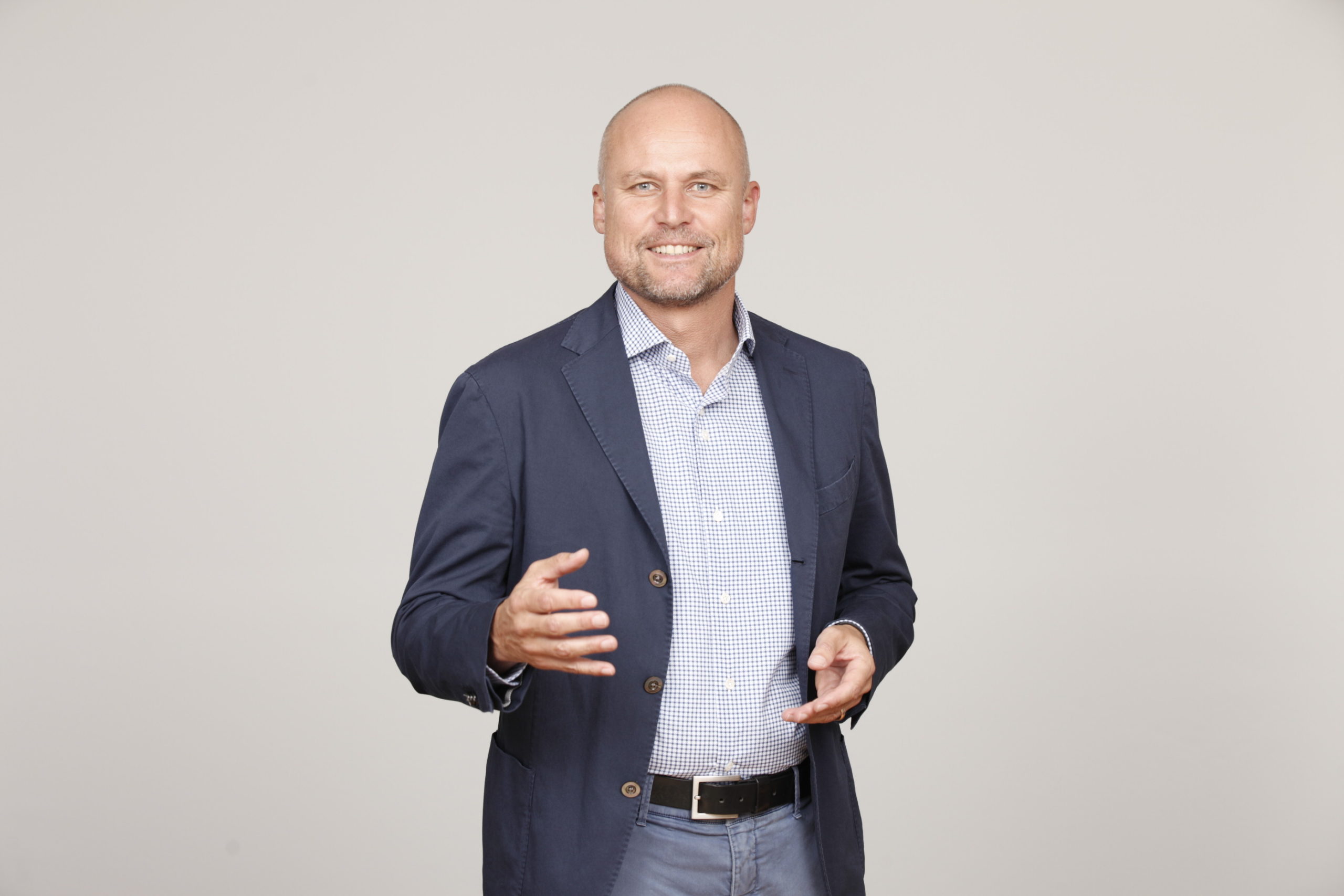
“A trial balloon for the big solution!”
Urban tourist cable cars can be a blueprint for everyday urban installations, cable car planner Stephan Salzmann is convinced. In an interview with SI, the expert talks about the purpose of excursion lines, the questions that initiators need to ask and the existing success factors.
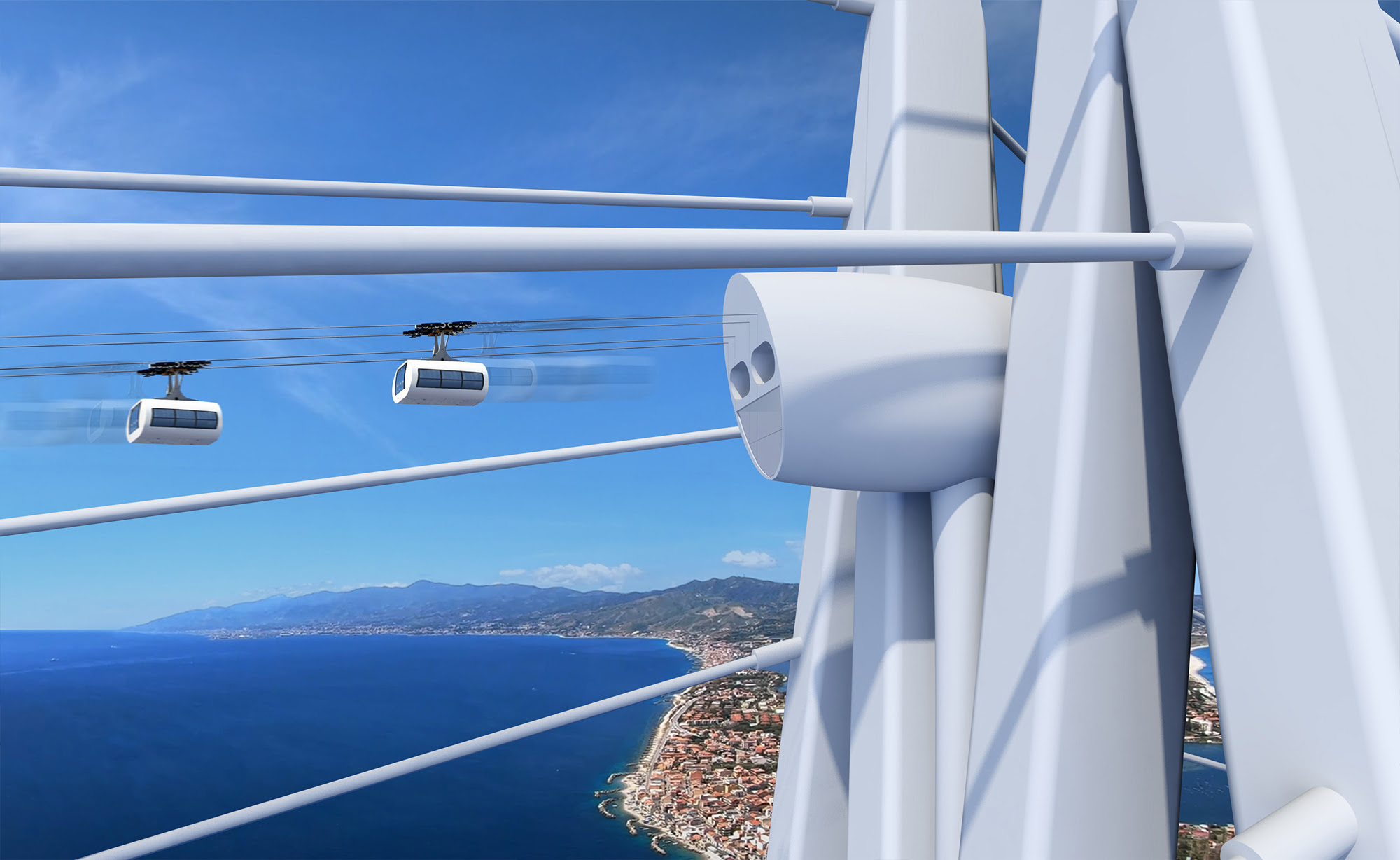
Mythological beasts inspire architects of modern transport solutions
A transport link between Sicily and southern Italy still remains a dream. In thepast,architecturalcompetitionshave yielded a range of interesting ideas for possible connections. However, none has previously attracted the interest of the Italian government.

Sustainable mobility, including cable cars?
Whether through the regional city railway, cycle bridges, car sharing or sustainable urban development, the German university city of Tübingen has long relied on future-proof mobility and an infrastructure of short distances. An urban cable car is now also being discussed – as an alternative to a railway line in the city centre.
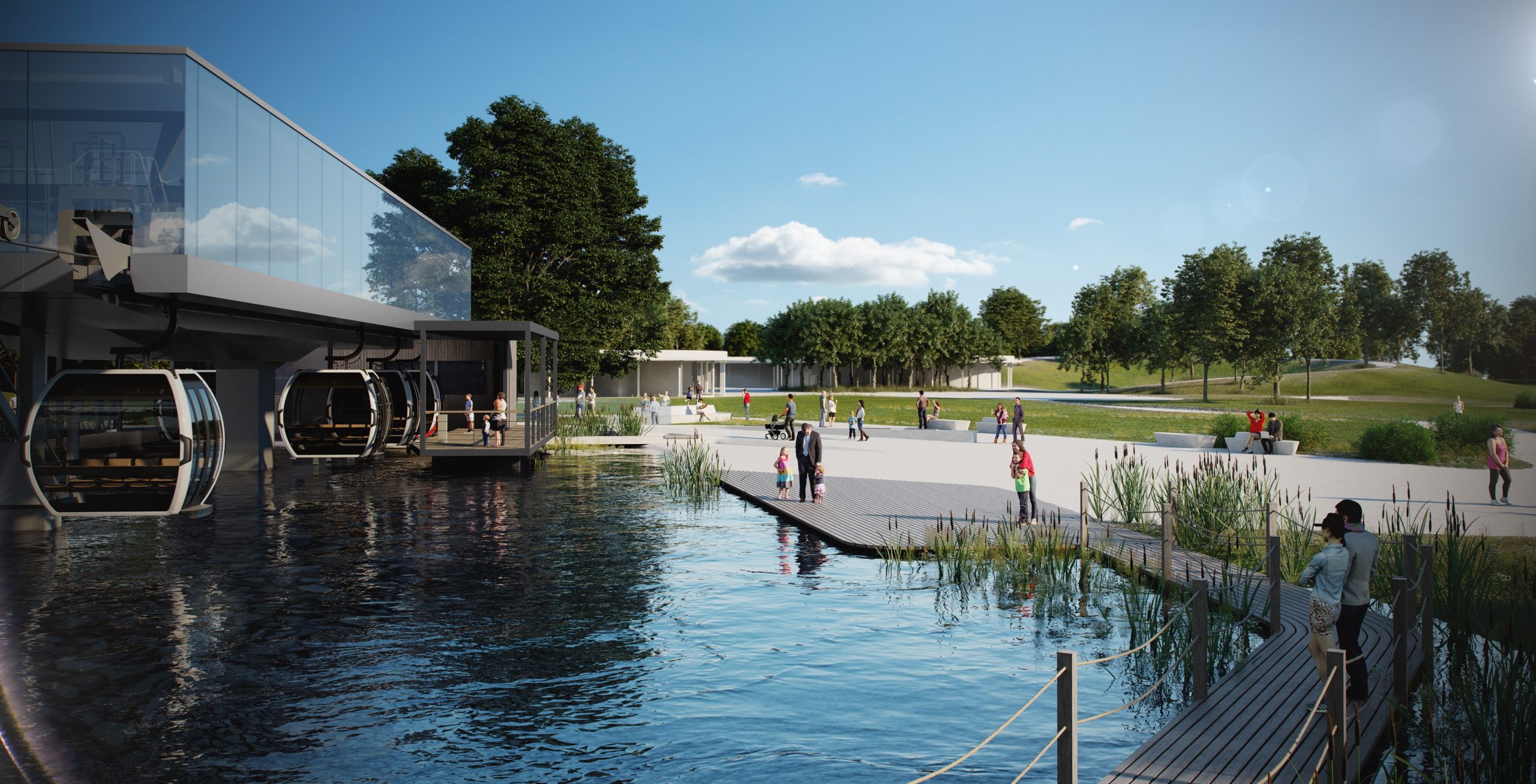
Floriade 2022 is growing – not only on the ground but also in the air
For visitors to the popular, internationally renowned flower and horticultural show, Floriade Expo 2022, a diverse showground is currently being created in Almere (Netherlands). The issue of sustainability in cities will play a particular role here , as is already evident from the motto, “Growing Green Cities”.
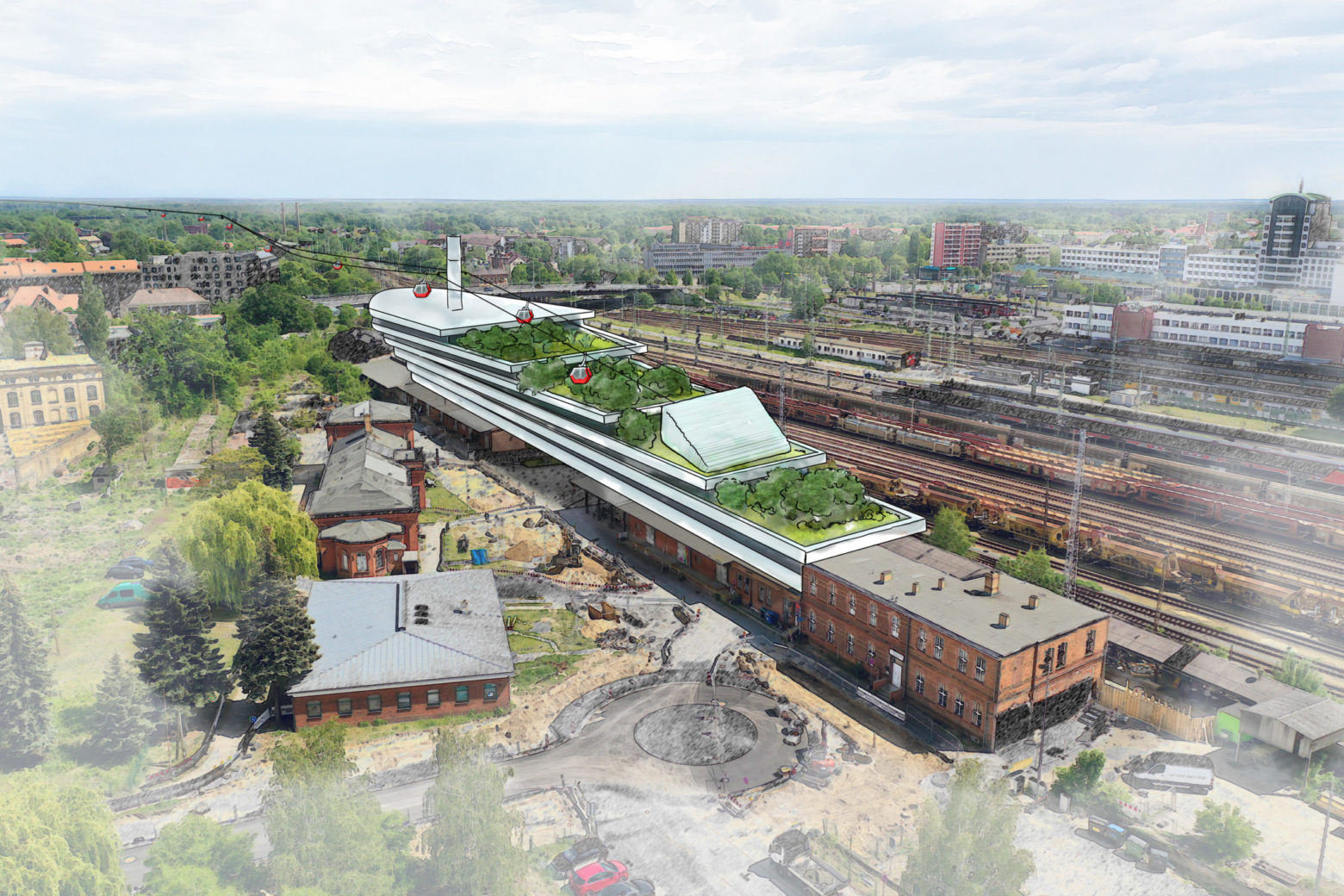
Cottbus: Citizens’ initiative calls for cable car
In german Brandenburg, the city of Cottbus is increasingly creating a stir, as the people here are calling for change. Whereas the population elsewhere is opposed to suggested cable car projects, a citizens’ initiative has formed in Cottbus, which is actually calling for just such a construction project. Madness... or a brilliant idea?
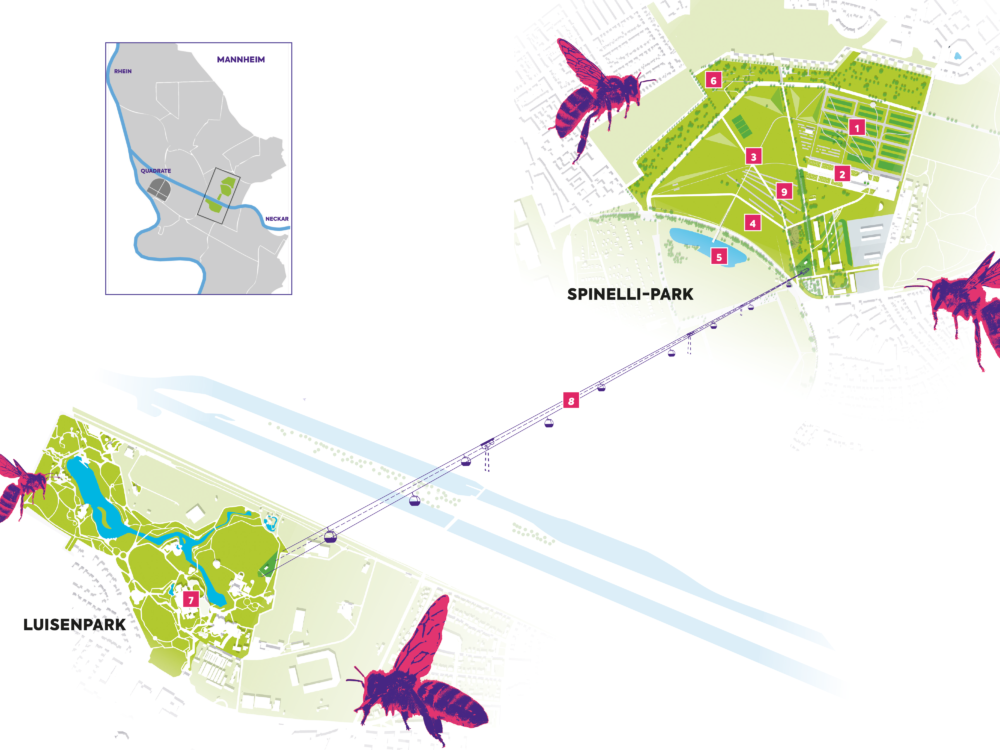
After Koblenz, Mannheim is also taking off
At the German National Garden Show in Koblenz, an urban ropeway became a hit with the visitors. In 2023, Mannheim will now also rely on the tried and tested system for fast visitor transport between exhibition areas.
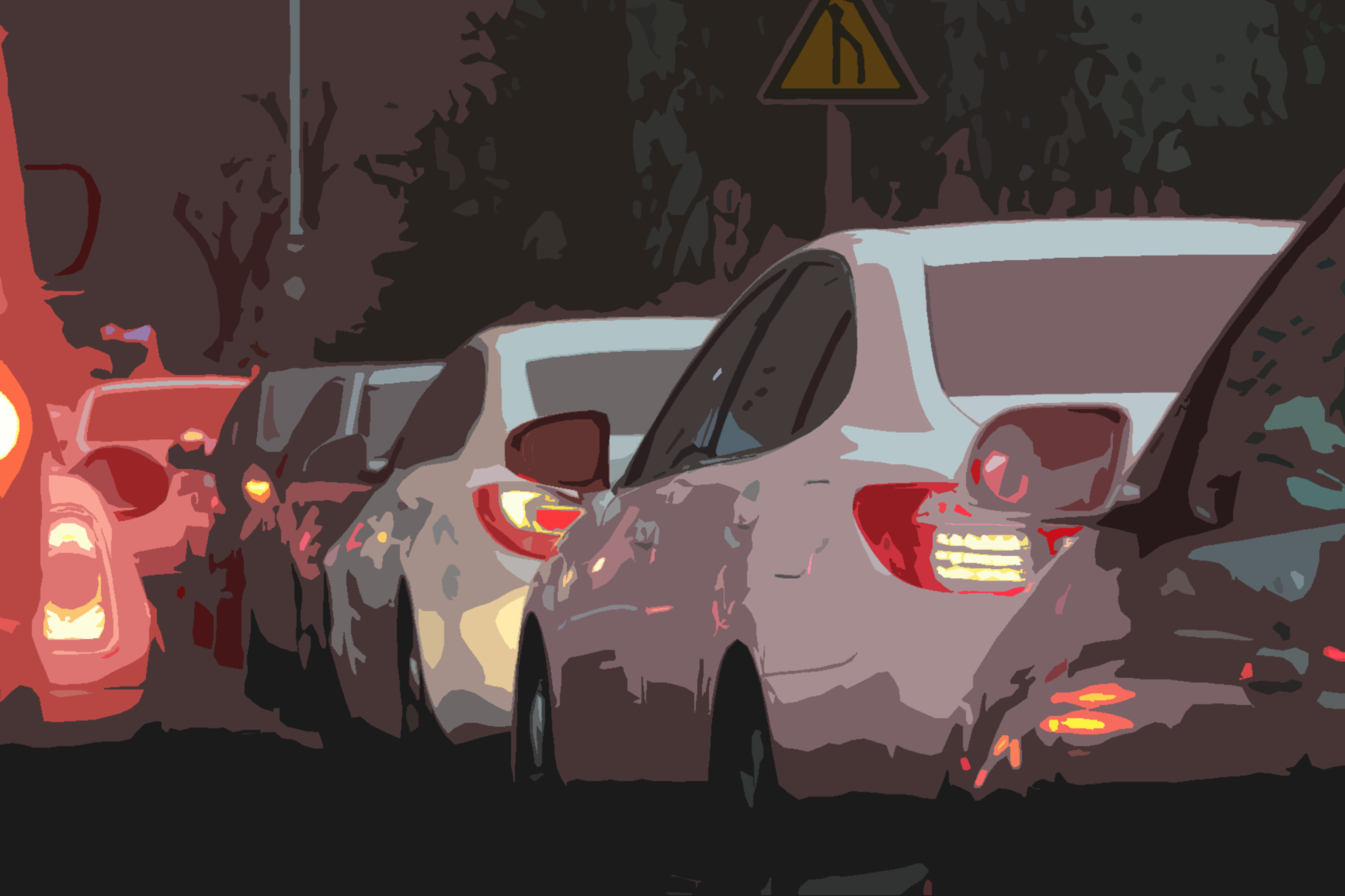
Cable car network for indore
For a long time, the Indian city of Indore has battled with traffic jams and congested streets. However, this will soon be a thing of the past. A number of projects aim to provide relief and make Indore a leading light for the country.
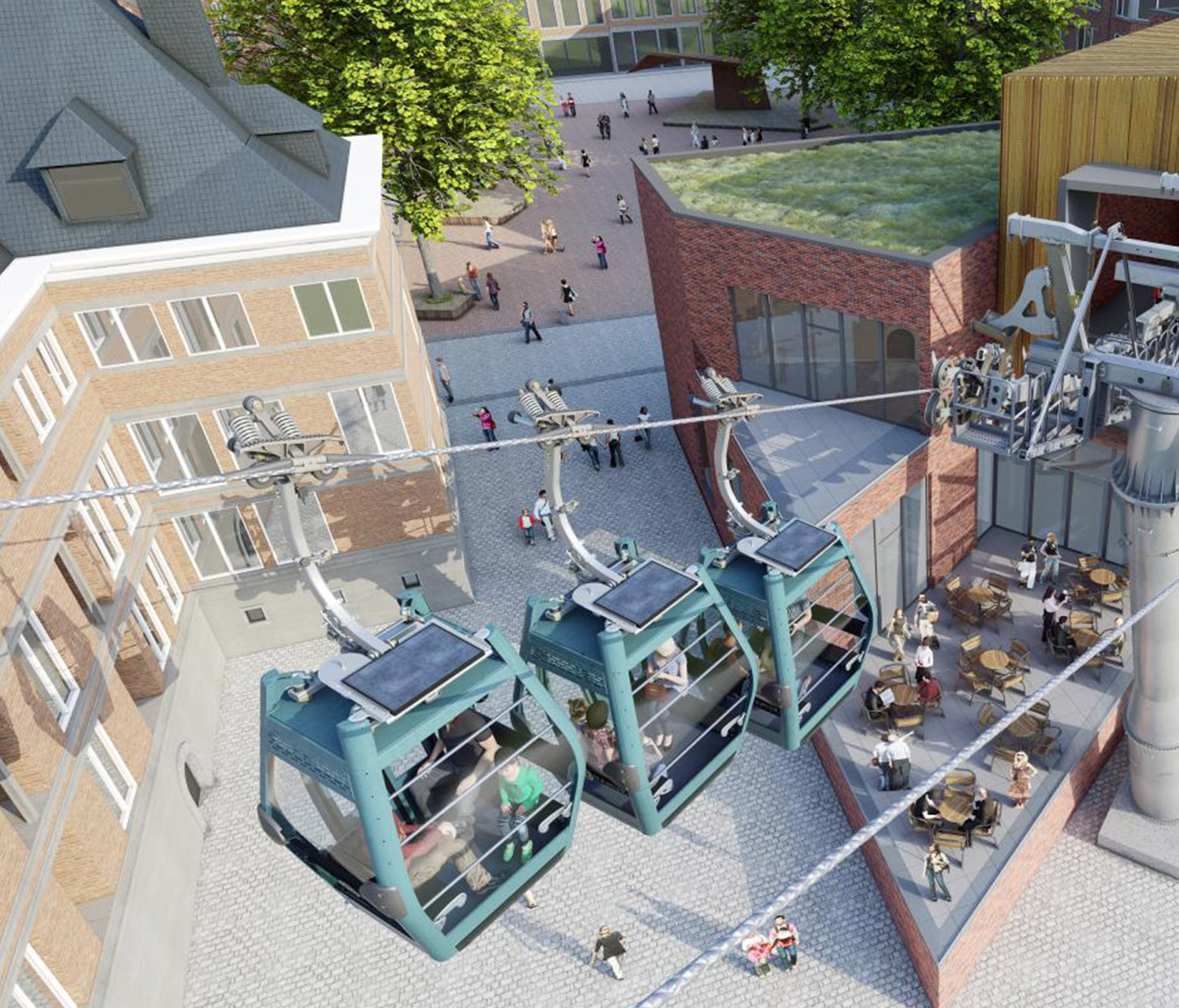
Namur Cable Car should boost city tourism
With its citadel, the Belgian city of Namur has one of the largest fortresses in Europe. From April 2021, a new cable car from French manufacturer POMA will run to the tourist attraction – and therefore take on an ancient heritage.
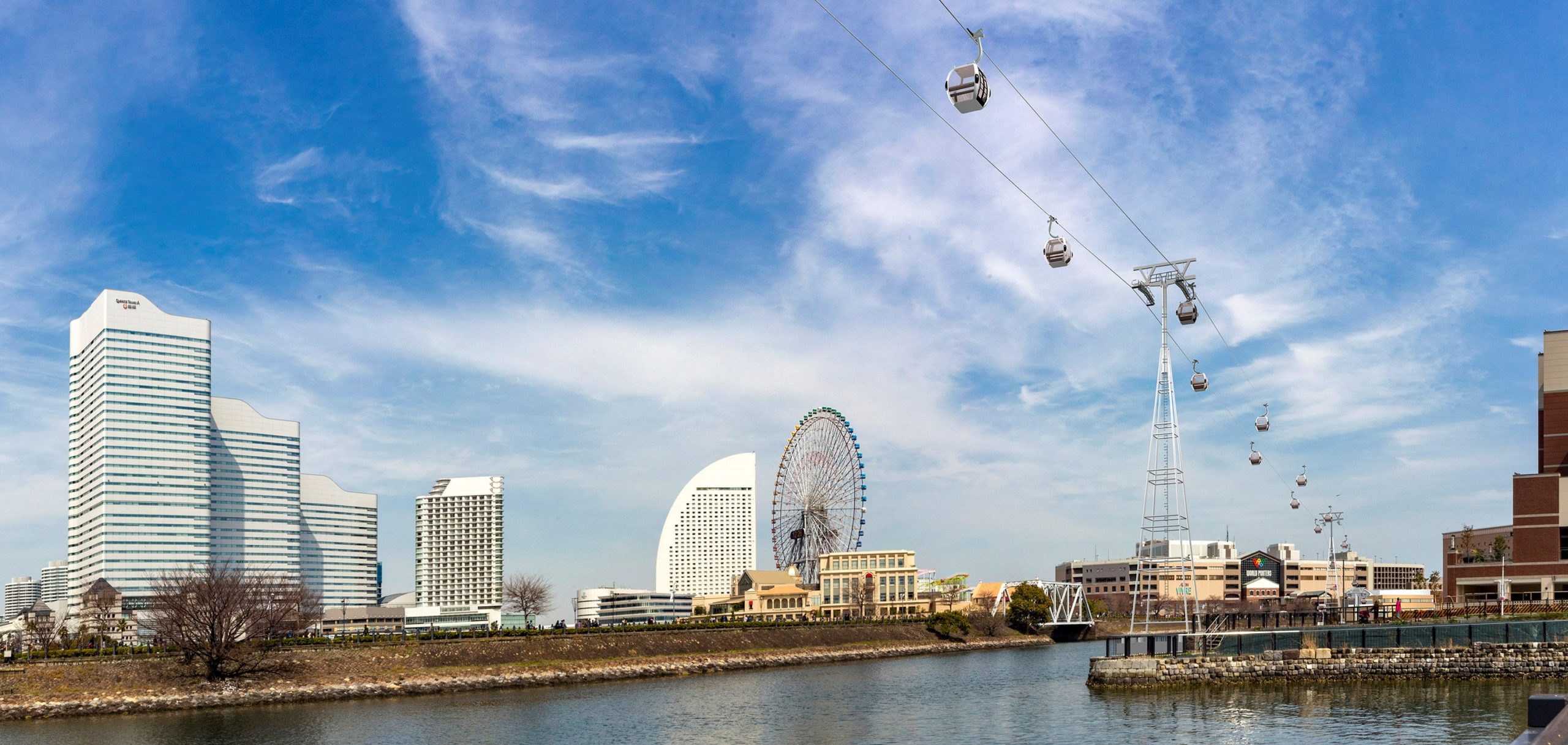
Yokohama cable car – opening as early as the end of April
In 2017, the question that arose in Yokohama was how to improve the city’s transport system. Various ideas were considered in detail here and the urban cable car ultimately came out on top.
National Guidlines for Execution
The German federal ministry of transport and digital infrastructure (BMVI) commissioned Stuttgart-based planning and consultancy company Drees & Sommer SE together with the Stuttgart institute of transport science (Verkehrswissenschaftlichen Institut Stuttgart GmbH – VWI) to compile a study on the “urban and transport planning integration of urban cable car projects”. The desired result will be a guideline for the “implementation of urban cable cars as a part of local public transport”, which should be available in two years’ time.